Failure to Monitor
Representing patients and families harmed by preventable medical errors in Alabama and Georgia.
Let's Discuss Your Case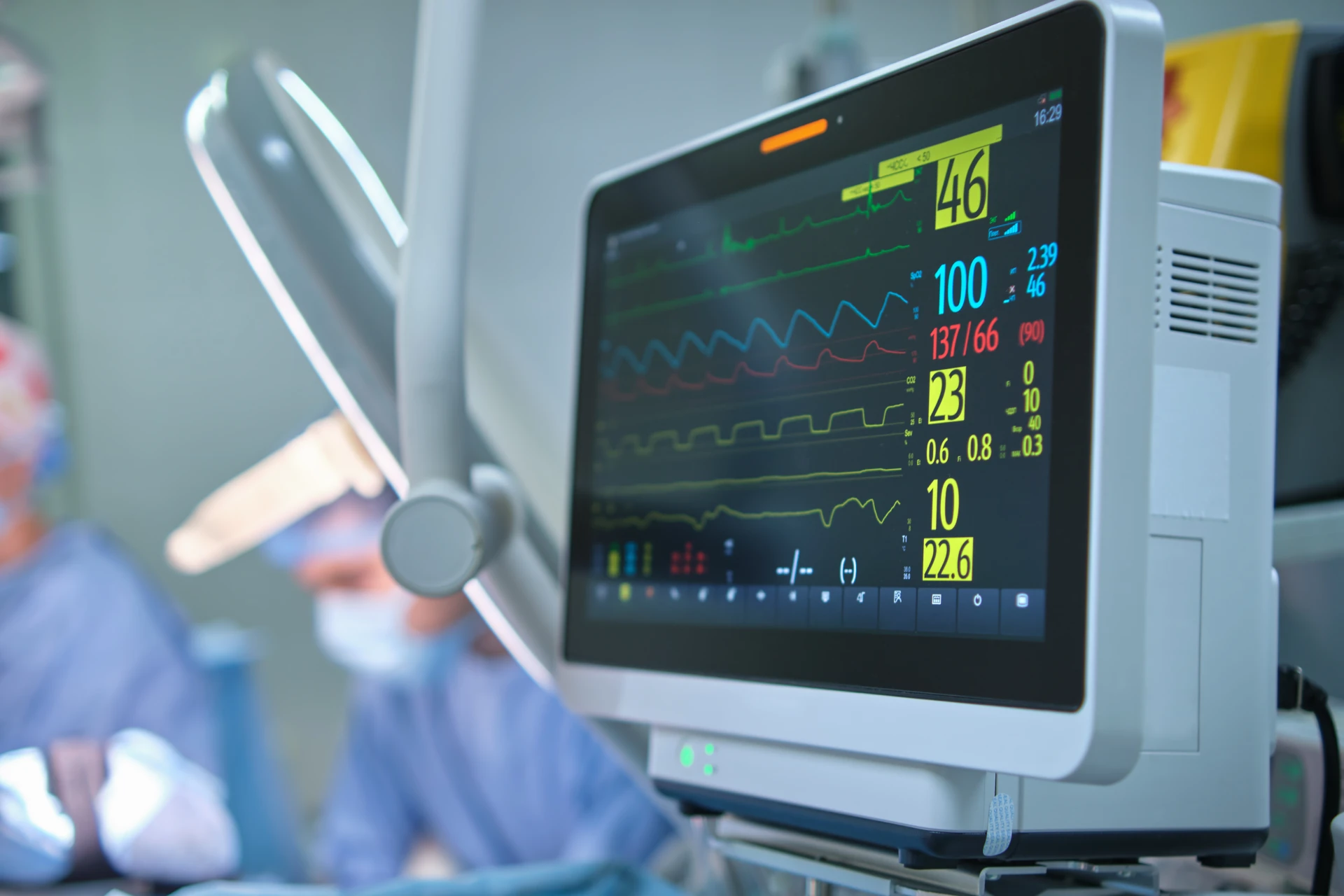
Holding Hospitals and Medical Providers Accountable for Failure to Monitor
When you are under medical care, you trust doctors and nurses to watch for warning signs and respond immediately if something goes wrong. Whether you are in surgery, recovering in the ICU, or in labor and delivery, careful monitoring is not optional; it’s a core part of safe medical treatment.
At Serious Injury Law Group, our Birmingham medical neglect lawyers represent patients and families harmed by preventable medical errors. We handle catastrophic injury and wrongful death cases throughout Birmingham and across Alabama and Georgia. If a doctor, nurse, or hospital failed to monitor your loved one’s condition and serious harm followed, we are prepared to investigate and fight for the accountability you deserve.

What Is Failure to Monitor in Medical Negligence Cases?
Failure to monitor is a form of medical malpractice that happens when healthcare professionals neglect their duty to observe a patient’s condition and respond to warning signs.
This duty applies to:
- Physicians
- Surgeons
- Nurses
- Anesthesiologists
- Hospitals and medical facilities
- Healthcare systems and corporations
Monitoring may include tracking vital signs, reviewing lab results, watching for medication reactions, or identifying post-surgical complications.
It’s important to understand that not every poor medical outcome is negligence. Some complications occur even when doctors do everything correctly. However, when a reasonably careful medical provider would have identified and responded to warning signs, and a provider failed to do so, that may constitute medical negligence.
If you’re unsure whether your case qualifies, our team can review your situation through a free consultation.
What is the Legal Standard of Care?
In medical malpractice cases, providers must meet the “standard of care.” This refers to the level of skill, attention, and treatment that a reasonably competent medical professional would provide under similar circumstances.
To prove a failure to monitor claim, four elements must be established:
- Duty: The provider owed a duty of care to the patient.
- Breach: The provider failed to meet the accepted medical standard of care.
- Causation: That failure directly caused harm.
- Damages: The patient suffered measurable injuries or losses.
These cases typically require expert medical testimony to explain what should have been done and how the failure led to injury. Our firm works closely with respected medical experts to build strong, evidence-based claims.
Common Injuries Caused By Failure to Monitor
When medical providers fail to act quickly, even a small delay can lead to devastating outcomes.
Brain Injuries
Oxygen deprivation, anesthesia complications, or untreated distress can cause permanent brain damage.
Organ Failure
Unmonitored infections, blood loss, or medication reactions may result in kidney, liver, or multi-organ failure.
Cardiac Arrest
Failure to recognize abnormal heart rhythms or declining vitals can lead to preventable cardiac events. Failure to recognize abnormal heart rhythms or declining vitals can lead to preventable cardiac events.
Sepsis & Infections
If early signs of infection are missed, sepsis can develop rapidly and become life-threatening.
Wrongful Death
In the most tragic cases, failure to monitor results in the loss of life. Families may have the right to pursue a claim under Alabama or Georgia wrongful death laws.

Common Examples of Failure to Monitor
Failure to Monitor Vitals
Medical staff must continuously monitor heart rate, oxygen saturation, blood pressure, and respiratory rate. Ignoring abnormal readings can allow emergencies to escalate.
Failure to Monitor After Surgery
Post-operative patients must be observed for bleeding, blood clots, infection, or anesthesia complications. Lack of monitoring can turn manageable issues into life-threatening crises.
Failure to Monitor During Delivery
Doctors and nurses must watch for fetal distress and maternal complications. Ignoring warning signs can result in severe birth injuries.
Failure to Monitor Medication Effects
Certain medications require close supervision to prevent dangerous reactions, overdoses, or adverse interactions.
Failure to Monitor High-Risk Patients
Patients in the ICU, elderly individuals, and those with complex medical conditions require heightened vigilance. Failure to provide appropriate observation may constitute medical neglect.
Who Can Be Held Liable in Cases of Medical Neglect?
Liability in failure to monitor cases often extends beyond a single provider. Responsible parties may include:
- Treating physicians or surgeons
- Nurses assigned to patient monitoring
- Anesthesiologists
- Obstetricians or delivery teams
- Hospitals and medical facilities
- Healthcare corporations and hospital systems
Hospitals may also be held accountable for negligent hiring, understaffing, or systemic failures that contributed to the harm.
How Serious Injury Law Can Help
Medical negligence cases are complex and aggressively defended. Our Birmingham medical neglect law firm has the experience and resources necessary to pursue high-value catastrophic injury claims.
We Thoroughly Investigate Medical Records
A failure to monitor case often hinges on detailed medical chart analysis. Our attorneys carefully examine records, timelines, and electronic monitoring data. We work closely with medical experts to determine whether proper procedures were followed and whether a delay or oversight caused the injury or death.
We Handle the Communication with the Insurance Companies
Hospitals and insurers often attempt to minimize payouts or deny responsibility altogether. Insurance companies are focused on protecting their bottom line, not your family’s future. Serious Injury Law Group handles all negotiations and communications so you can focus on recovery. We fight for full compensation, not quick settlements.
Trial Ready
While many cases resolve through negotiation, we prepare every case as if it will go to trial. If the insurance company refuses to offer a fair settlement, our attorneys are fully prepared to present your case before a jury.

Experience Helping Families Throughout Alabama & Georgia
Serious Injury Law Group represents clients across multiple offices, including Birmingham, Montgomery, Metro Atlanta, and South Georgia.
Our attorneys understand the differences between Alabama and Georgia medical malpractice laws, including statutes of limitations and rules on damages. That regional experience allows us to guide families through complex legal requirements with confidence.
Common Questions About Failure to Monitor Medical Negligence
Failure to monitor occurs when a healthcare provider does not properly observe a patient’s condition or respond to warning signs during treatment. If this lack of monitoring causes injury or death, it may qualify as medical negligence.
Proving failure to monitor typically requires medical records, expert testimony, and evidence that a provider failed to meet the accepted standard of care. You must also show that the failure directly caused measurable harm.
Both Alabama and Georgia have strict statutes of limitations for medical malpractice claims, often two years from the date of injury, though exceptions may apply. Given the strict deadlines, speaking with an attorney as soon as possible is critical.
Yes. Hospitals can be held liable if their employees were negligent or if systemic failures, such as understaffing or poor protocols, contributed to the harm.
Compensation may include medical expenses, lost income, long-term care costs, pain and suffering, and, in wrongful death cases, damages available under state law. The value depends on the severity of the injury and the applicable jurisdiction.
What Clients Say About Serious Injury Law Group
Meet Our Team of Experienced Medical Malpractice Attorneys

Gerald Clark Brooks, Jr.
Managing Partner | Founder | Lawyer

Chuck James, II
Founder | Lawyer

Brandon Marcellus Price-Crum
Partner