Car Accident Blog
Why Truck Accidents Cause More Severe Injuries Than Car Crashes
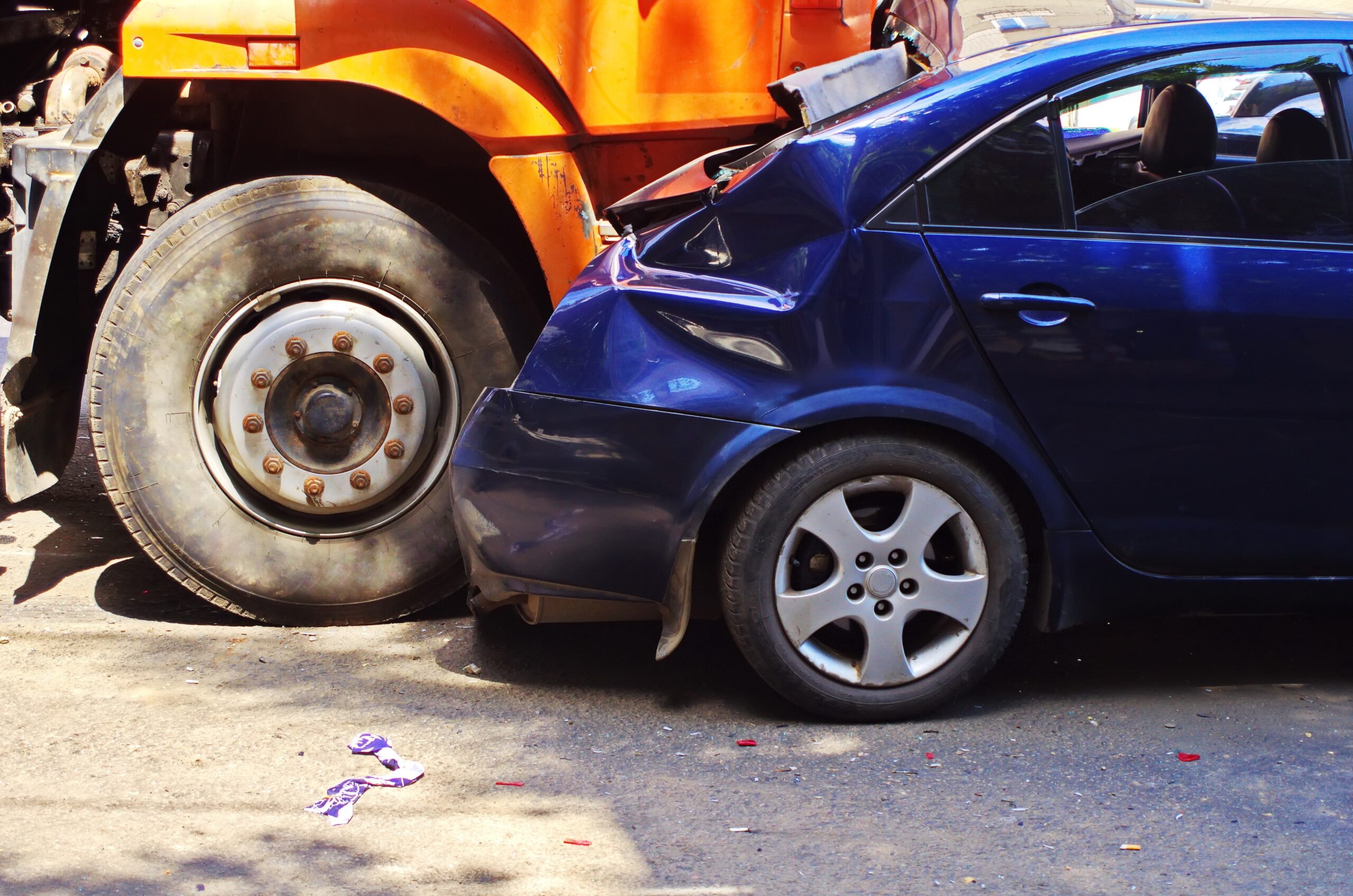
Not all vehicle crashes carry the same level of danger. While any collision can lead to injuries, accidents involving large commercial trucks often result in significantly more severe outcomes than typical passenger vehicle crashes. The sheer size and weight of tractor-trailers, combined with their unique operating limitations and the pressures of commercial transportation, create conditions where collisions are far more likely to cause catastrophic harm.
According to data from the Insurance Institute for Highway Safety (IIHS), thousands of people are killed in crashes involving large trucks each year, with the majority of fatalities occurring in occupants of smaller passenger vehicles. These numbers highlight a sobering reality: when a fully loaded semi-truck collides with a car, the people in the smaller vehicle face a dramatically higher risk of catastrophic injury or death.
Several key factors explain why truck accidents are more severe than other crashes. Differences in weight and crash energy, the risk of underride collisions, longer stopping distances, limited maneuverability, and driver fatigue all contribute to the devastating consequences seen in many truck accidents.
For victims and their families, understanding these risks is an important step toward protecting their rights after a crash, and speaking with an experienced truck accident attorney can help you better understand your legal options and next steps.
The Weight Disparity Between Trucks and Passenger Vehicles
One of the most important reasons truck accidents are more severe comes down to simple physics: size and weight matter.
The average passenger vehicle weighs between 3,000 and 4,500 pounds. By comparison, a fully loaded semi-truck can legally weigh up to 80,000 pounds. That means a tractor-trailer may be 20 times heavier than the car it collides with.
When two vehicles of vastly different sizes collide, the smaller vehicle almost always absorbs the majority of the impact force. This imbalance dramatically increases the likelihood that occupants in the passenger vehicle will suffer serious injuries.
Impact Force and Crash Energy
Crash severity increases significantly with vehicle mass and speed. A heavier vehicle carries more momentum, meaning it transfers far more energy during a collision.
When a semi-truck strikes a passenger vehicle, the impact force can:
- Crush or collapse the passenger compartment
- Cause vehicles to spin or roll over
- Push smaller cars into other vehicles or roadside barriers
Because passenger vehicles are much lighter, their occupants often absorb the brunt of this force. As a result, truck accidents are frequently catastrophic.
Common outcomes include:
- Traumatic brain injuries
- Spinal cord damage
- Multiple fractures
- Internal bleeding and organ damage
These injuries can permanently alter a person’s life, requiring extensive medical care and long-term rehabilitation.
Underride Accidents
What Is an Underride Accident?
An underride accident occurs when a smaller vehicle slides partially or completely underneath the trailer or semi-truck. This type of truck accident often happens when:
- A car rear-ends a truck
- A truck turns in front of a smaller vehicle
- A passenger vehicle collides with the side of a trailer
Because the trailer sits much higher than a typical car hood, the front portion of the passenger vehicle may slide beneath it during the collision.
These crashes are among the most deadly types of truck accidents because the upper portion of the car, including the windshield and roof, can be crushed or sheared off.
Mismatch in Vehicle Structures
Passenger vehicle safety features are designed primarily for collisions with similarly sized and tall cars. Modern vehicles rely on crumple zones, airbags, and reinforced frames to absorb impact energy.
However, in an underride crash, the impact is often above these safety systems.
Instead of absorbing the force, the trailer can penetrate the passenger compartment directly. This structural mismatch greatly increases the risk of:
- Severe head injuries
- Neck trauma
- Fatal injuries to front-seat occupants
Because of these dangers, underride accidents are frequently associated with catastrophic accident outcomes and high fatality rates.
Longer Stopping Distances and Reduced Maneuverability
Braking Distance at Highway Speeds
Due to their enormous weight, semi-trucks require significantly more distance to stop.
At highway speeds, a fully loaded tractor-trailer may require 40% to 66% more stopping distance than a typical passenger car. Even when a truck driver reacts immediately, the vehicle may continue traveling hundreds of feet before coming to a complete stop.
If traffic suddenly slows or a car cuts in front of a truck, the driver may not have enough time or space to avoid a collision. This delay increases the likelihood of high-speed impacts, which often result in serious or fatal injuries.
Wide Turns and Blind Spots
Large trucks also have major visibility limitations known as “no-zones.”
These blind spots typically include:
- Directly behind the trailer
- Along both sides of the truck
- Directly in front of the cab
When smaller vehicles travel in these areas, the truck driver may not see them at all.
In addition, semi-trucks require wide turning space, particularly when making right turns. If a truck driver misjudges the space required or fails to see a nearby car, smaller vehicles can become trapped between the truck and nearby lanes or barriers.
Commercial Pressures and Driver Fatigue
Beyond vehicle design and physics, the trucking industry itself can create circumstances that increase accident risk.
Tight Delivery Schedules
Commercial truck drivers often operate under strict delivery timelines. Meeting deadlines may require long hours on the road and covering hundreds of miles in a single shift.
In some situations, drivers may feel pressure to:
- Drive faster than safe conditions allow
- Skip rest breaks
- Continue driving despite fatigue
While many trucking companies emphasize safety, the realities of the freight industry can still contribute to risky driving behaviors.
Driver Fatigue and Hours-of-Service Violations
Fatigue is one of the most dangerous factors in commercial trucking accidents.
Tired drivers experience slower reaction times, reduced attention, and impaired judgment. These effects can be similar to driving under the influence of alcohol.
To reduce these risks, federal regulations known as hours-of-service rules limit how long truck drivers can remain behind the wheel without rest. However, violations still occur.
When fatigue leads to delayed braking, missed hazards, or lane drifting, the result can be a catastrophic crash involving multiple vehicles.
The Types of Injuries Most Common in Truck Accidents
Because truck accidents involve higher-impact forces than other motor vehicle accidents, the injuries victims suffer are often life-changing.
Traumatic Brain Injuries (TBI)
Traumatic brain injuries (TBIs) are among the most serious outcomes of truck crashes. A violent impact can cause the brain to move inside the skull, damaging brain tissue and disrupting normal neurological function.
Victims may experience:
- Memory loss
- Cognitive difficulties
- Personality changes
- Long-term disability
In severe cases, TBIs require lifelong medical care and rehabilitation. Individuals suffering from these injuries may benefit from speaking with experienced brain injury lawyers who understand the long-term impact of these conditions.
Spinal Cord Injuries and Paralysis
High-impact collisions frequently cause damage to the spinal cord. When the spinal cord is compressed, fractured, or severed, the result can be partial or complete paralysis.
These injuries may lead to:
- Paraplegia (loss of lower body function)
- Quadriplegia (loss of movement in all limbs)
- Chronic pain and nerve damage
Spinal cord injuries often require extensive medical treatment, adaptive equipment, and lifelong care.
Internal Organ Damage and Crush Injuries
The immense force involved in a truck collision can cause severe internal injuries even when there are few visible external wounds.
Common internal injuries include:
- Internal bleeding
- Punctured lungs
- Liver or spleen damage
- Crush injuries caused by vehicle intrusion
Without immediate medical attention, these injuries can quickly become life-threatening.
Wrongful Death
Unfortunately, many truck accidents result in fatalities. Because of the size and force involved in these collisions, victims in smaller vehicles face a significantly higher risk of death.
Families who lose loved ones in these tragedies may have the right to pursue compensation through a wrongful death claim. Speaking with experienced wrongful death lawyers can help families understand their options during an incredibly difficult time.
Common Questions About Truck Accidents
Are truck accidents more dangerous than car accidents?
Yes. Truck accidents are generally more dangerous than a typical car crash because commercial trucks are significantly larger and heavier than passenger vehicles. The greater mass increases the impact force, making severe injuries and fatalities more likely.
Why do truck accidents cause more fatalities?
Truck accidents cause more fatalities than other motor vehicle crashes, primarily due to the weight disparity between trucks and passenger vehicles. When a semi-truck collides with a car, the smaller vehicle absorbs most of the impact energy, placing occupants at much greater risk.
What injuries are most common in semi-truck accidents?
Common truck accident injuries include traumatic brain injuries, spinal cord injuries, internal organ damage, severe fractures, and crush injuries. These injuries are often catastrophic and may result in permanent disability.
Who can be held responsible in a truck accident?
Several parties may be responsible for a truck accident depending on the circumstances. Potentially liable parties can include the truck driver, the trucking company, vehicle maintenance providers, cargo loaders, or manufacturers of defective parts. Because of the complexity of truck accident cases, it’s crucial to consult an experienced truck accident attorney to ensure all responsible parties are held accountable.
Injured in a Truck Accident? Contact Serious Injury Law Group Today
Truck accidents can leave victims facing overwhelming medical bills, long-term injuries, and significant emotional trauma. When a commercial truck is involved, determining liability can also be far more complicated than in a typical car accident, and battling with trucking companies’ insurance can be overwhelming.
The Serious Injury Law Group represents victims of catastrophic truck accidents across Alabama and Georgia. If you or a loved one has been injured in a crash involving a semi-truck, our legal team will investigate the accident, identify responsible parties, and pursue the compensation you deserve.
Reaching out early can help protect important evidence and ensure your rights are fully protected after a serious truck accident. Speak with our attorneys in Birmingham, Montgomery, Metro Atlanta, and South Georgia today. We offer free consultations, and you pay nothing unless your case is successful.